Suzuki SV 1000 S



General features
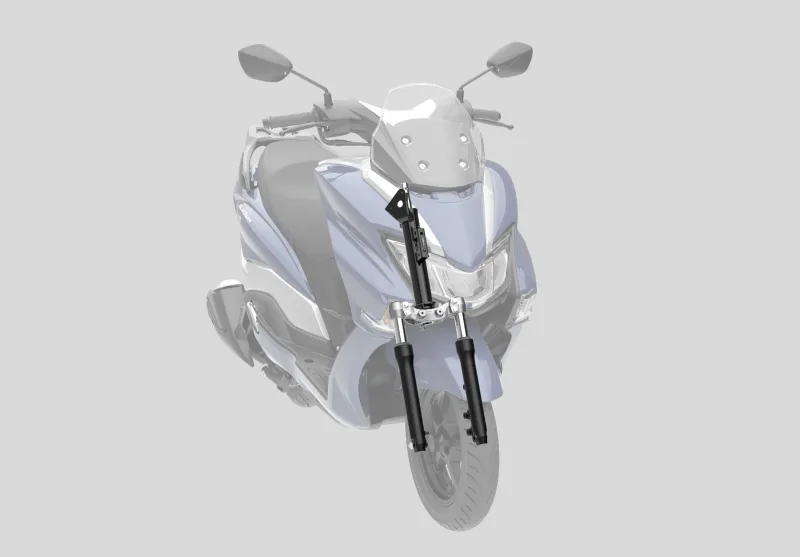
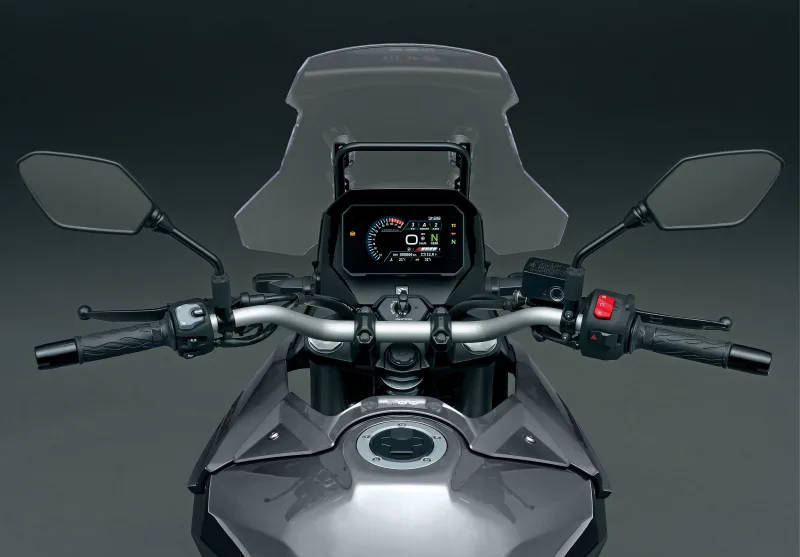
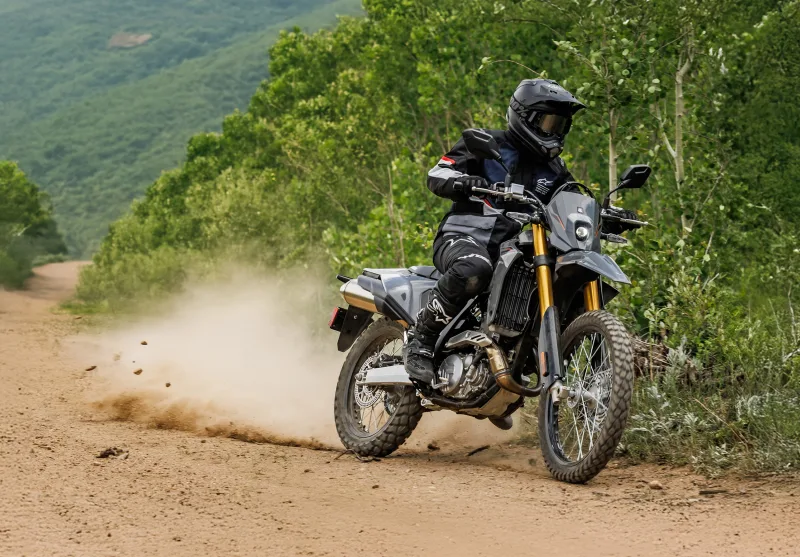
The SV1000S has handling to match its impressive powerplant. With technologically advanced chassis and suspension systems, it offers a superb combination of precise handling, solid stability and all-day riding comfort.
Suzuki SV 1000 S History
Suzuki SV 1000 S History & Generations Source: Wikipedia
The GS1000S copy of a Yoshimura GS1000 Superbike. Katana – The GSX1100S was released in Europe
; the GSX1000S arrived in the U.S. and Canada later that year as a 1981 model, and is said to have revolutionized sportbike styling. A 1982 Katana GS1000SV is on the AMA Motorcycle Hall of Fame's list of "classic bikes" that have been shown in the museum, and was in The Art of the Motorcycle exhibit…
. By 1997, cruiser-style motorcycles would account for nearly 60 percent of the U.S. street-bike market.
. The same basic engine would reappear
To 1994. A couple of years after the presentation of the GSX-R750 the 250 cc GSX-R250 was released.
Until 1998. It is mostly known as a practical sports/touring bike, due to its rear petrol tank and a fully enclosed helmet storage area where the petrol tank usually is.
To 1998. TL1000S debuted at the 1996 International Motorcycle and Scooter Show as the first Suzuki sport bike with a V-twin engine.
To power the Bandit 1200 and remain in production through 2006. GSF1200 Bandit - Released
After the fully faired RF900, the big, GSXR-powered Bandit was used widely in everything from road-race to Open Road Touring. The carbureted, air (and oil)-cooled design ran To 2002; afterward Suzuki moved into fuel injection and liquid cooling on subsequent models. The last of the series was the GSX1250Fa.
And has received frequent updates after that. Hayabusa (GSX-1300R) was introduced
And remains Suzuki's flagship sport bike. The 1998 Suzuki Hayabusa is included in the JSAE 240 Landmarks of Japanese Automotive Technology.
As a budget entry in the naked bike market, and
And remains the largest model of the GSX-R series. Burgman 650 (AN650) was the largest of a series of urban scooters produced in Japan (marketed as Skywave domestically) as well as in Italy and Spain with engine capacities of 125 cc and up.
The engine would carry on in the TL1000R, the SV1000 and SV1000S, as well as the V-Strom 1000 and the Suzuki V-Strom 1050. GSX-R600 – a smaller version of the GSX-R750. Offered both naked and fully faired.
The 650 was the largest-displacement scooter in the world, and first two-wheel vehicle to have an electrically controlled Continuously Variable Transmission. The Japan Institute of Design Promotion awarded the G Mark Good Design Award to the Skywave 650
To the entire Skywave series . Boulevard M109R (VZR1800) V-twin, dubbed the Intruder M1800R in Europe, arrived
And to the updated Skywave 650LX Boasting a 112 mm (4.4 in) bore with a 90.5 mm (3.56 in) stroke, amongst the largest petrol engine pistons ever used in any production motorcycle (or passenger car). GSX-650F – introduced
Facilitated the 2007 roll-out of the GSX-1300BK B-King, a highly stylized naked variant. SV650 was introduced This new sport touring model fills the void of the retired Katana. The 2009 model has ABS standard.
The naked bike version was redesigned and renamed the Gladius in keeping with the sword motif Suzuki established with the Katana. The Gladius motorcycle won a Good Design Award (aka G Mark) from the Japan Institute of Design Promotion.
. Choinori was a lightweight, inexpensive, 50 cc scooter and the antithesis of the Skywave 650, but they were introduced at the same time in an effort to increase domestic sales in response to shrinking motorcycle exports.
The engine continued in the Suzuki V-Strom 250.
History text adapted from Wikipedia under CC BY-SA.


Suzuki SV 1000 S Technical specs
Q&A
User questions & answers (forum) coming soon.
Comments
No comments yet. Be the first!
Gallery
Downloadable wallpapers (desktop & mobile) coming soon.