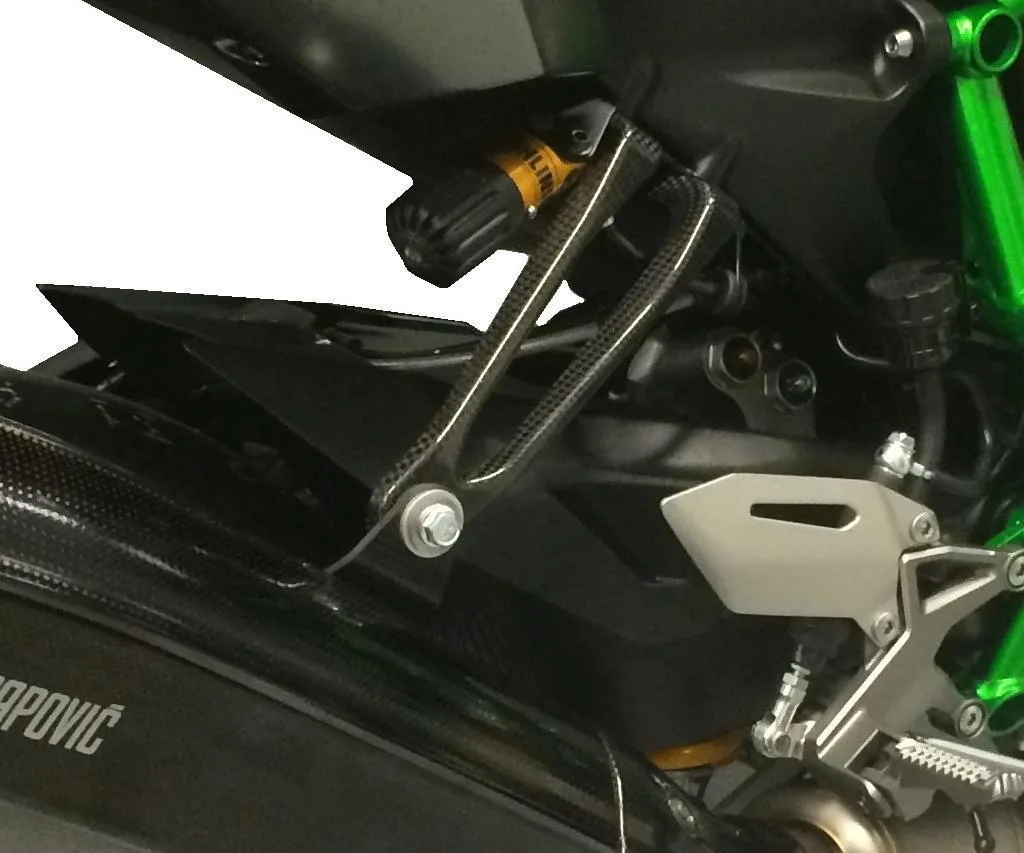
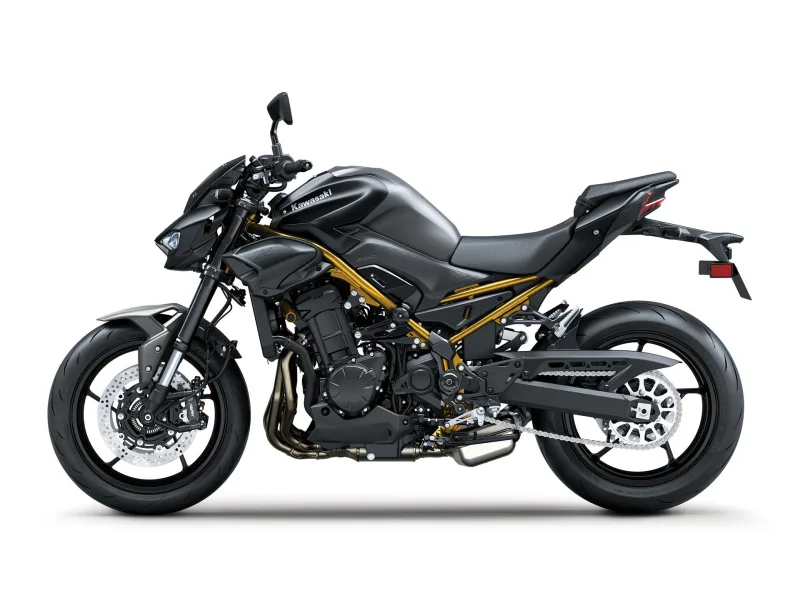
Representative image (2026 model); the 2020 design may differ.
2020 Kawasaki Ninja H2



General features
The Ninja H2™ motorcycle brings the mind-bending power of Kawasaki’s supercharged hypersport racer to the street. Boasting a powerful 998cc inline four-cylinder engine, state-of-the-art electronics, and the latest Brembo® brakes, the Ninja H2 amounts to pure performance on the road.
Kawasaki Ninja H2 History
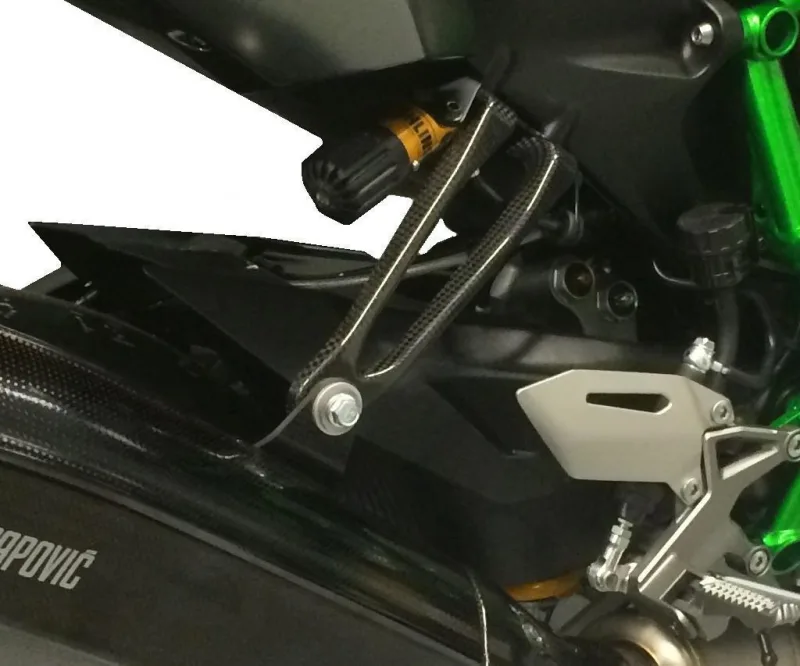 Representative image
- Power 228.0 HP
- Displacement 998 cc
- Seat height 825.0 mm
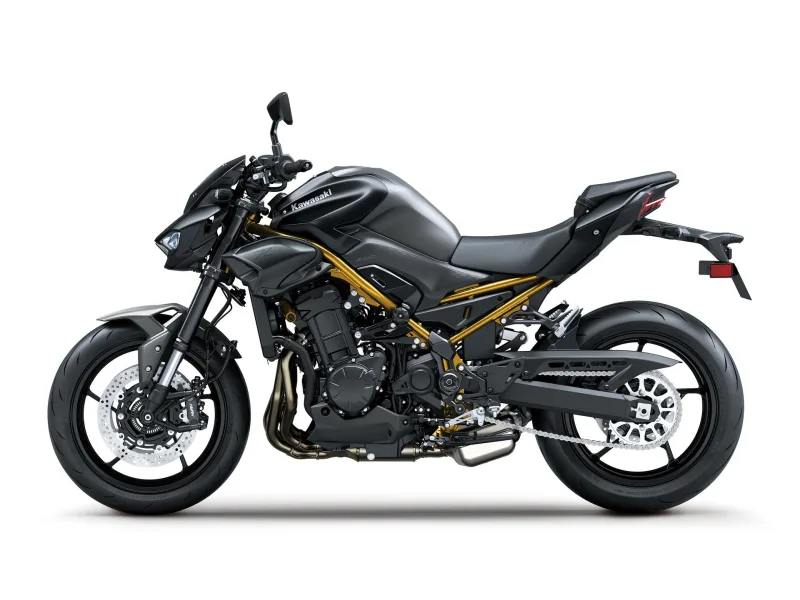
Representative image
- Power 228.0 HP
- Displacement 998 cc
- Seat height 825.0 mm
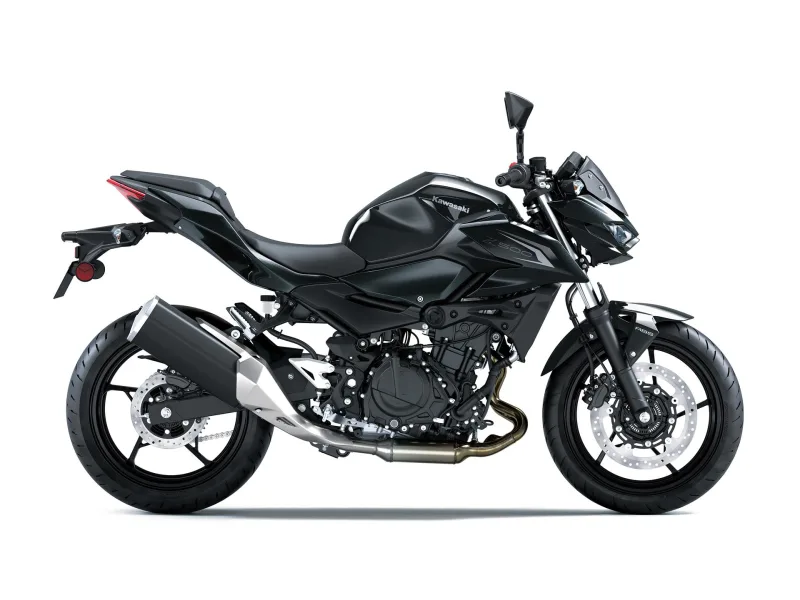
Representative image
- Power 200.0 HP
- Displacement 998 cc
- Seat height 825.0 mm
Representative image
- Power 200.0 HP
- Displacement 998 cc
- Seat height 825.0 mm
Representative image
- Power 200.0 HP
- Displacement 998 cc
- Seat height 826.0 mm
Kawasaki Ninja H2 History & Generations Source: Wikipedia
To "disrupt what it saw as a sleeping motorcycle market". Its Ninja H2R track-only variant is the fastest and most powerful production motorcycle on the market, producing a maximum of 310 horsepower (230 kW) and 326 horsepower (243 kW) with ram-air.
Kawasaki made a limited-edition model with 120 units produced globally: the individually numbered Kawasaki Ninja H2 Carbon with special paint and carbon-fiber upper cowl. The standard Ninja H2 was also updated.
Kawasaki made a new sport touring version of the H2, the Kawasaki H2 SX, with a claimed wet weight of 256.1 kg (564.5 lb). Features that are options on the base model H2 SX come standard on the Kawasaki H2 SX SE, which has a claimed wet weight of 260.0 kg (573.3 lb).
The H2 received an update with 15% more power from updates to the intake, spark plugs, ECU, and air filter, among other components. Also added was a new LED lighting scheme and a special top coat of paint that is claimed to be self-healing and able to smooth over small scratches in warmer conditions…
History text adapted from Wikipedia under CC BY-SA.


Kawasaki Ninja H2 Technical specs
Kawasaki Ninja H2 market reference value
Reference values from the monthly insurance value list published by the Insurance Association of Türkiye. New vehicles use the authorised distributor’s non-campaign list price; used ones use market averages.
Values are nominal Turkish lira; much of the rise reflects inflation. Switch to dollars or euros to see the real trend.
Values from the August 2026 list. All model years are valued on the same date, so this curve is free of inflation.
Source: Insurance Association of Türkiye, Kasko Değer Listesi, August 2026. These are reference values for insurers and carry no mileage, damage or condition breakdown.
Q&A
User questions & answers (forum) coming soon.
Comments
No comments yet. Be the first!
Gallery