Honda XR 250 R



General features
Are you a fan of those tight, technical trails nature loves to throw your way? Then the XR250R is the perfect machine for you. Lighter, smaller, yet every bit as sophisticated as its XR400R sibling, it´s also one of the greatest values in off-road motorcycling.
Honda XR 250 R History
Honda XR 250 R History & Generations Source: Wikipedia
The model was dropped from Honda's line-up, but came back
With a completely new engine dubbed the "Radial Four Valve Chamber" (RFVC) engine. The original 250 cc (15 cu in) RFVC engine had a bore and stroke of 75 mm × 56.5 mm (2.95 in × 2.22 in), but
To replace the XR500R, and was updated
This was changed to 73 mm × 59.5 mm (2.87 in × 2.34 in). 1986 also saw the adoption of a large, single carburetor rather than the dual progressively opening carburetors of the 84-85 models.
When the original dual progressively opening carburetors were replaced with a larger single carburetor and the rear brake was updated to a disc. The 600 was updated again
. The XR won many desert races in the hands of Johnny Campbell and GNCC races in the hands of Scott Summers.
The engine of the XR 250R, the mainstay of the XR range, was updated and now produced 19 hp (14 kW) at 8100 rpm. Changes included a new crankcase with better engine mounts (which incorporated the swingarm pivot) for a stiffer chassis, smaller exhaust valves to address a problem with cracking cylinde… . Its frame, plastics and suspension components were similar to those of the XR250R, and it had a similar air-cooled engine with RFVC cylinder head technology.
Honda discontinued the XR400R. The XR600R was used in Baja races.
History text adapted from Wikipedia under CC BY-SA.
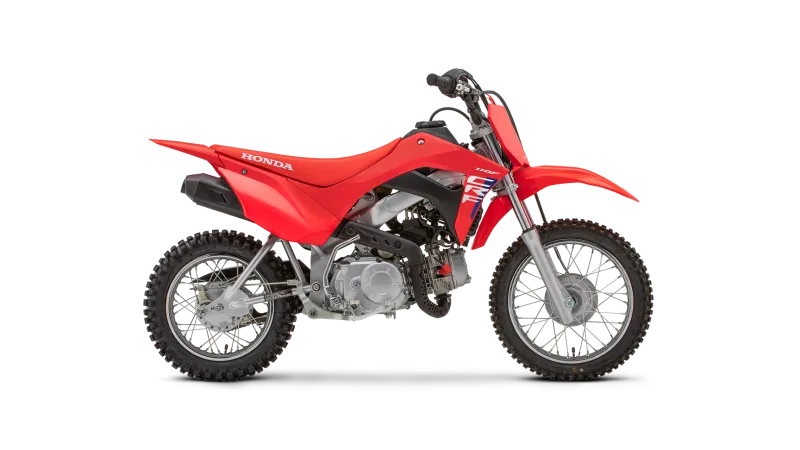


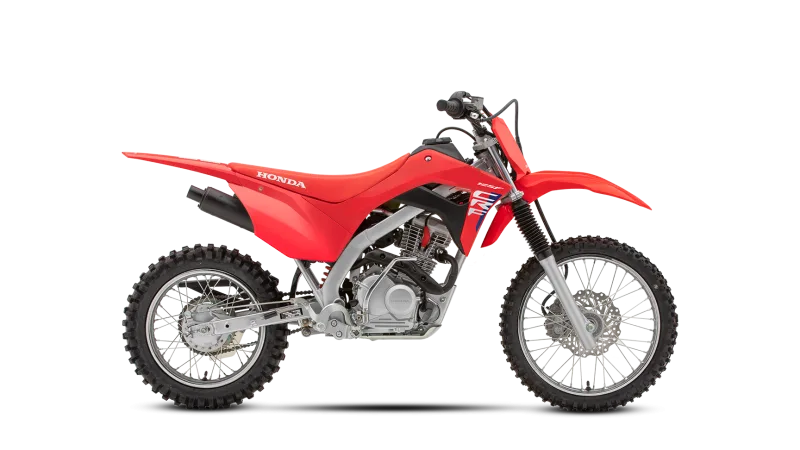
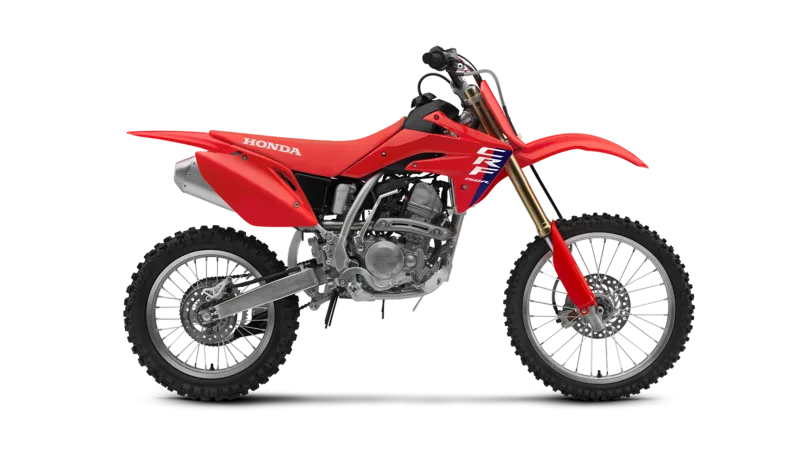
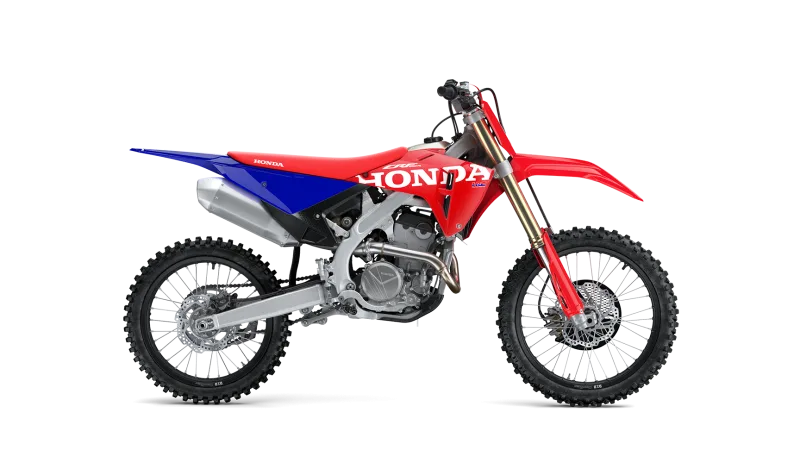
Honda XR 250 R Technical specs
Q&A
User questions & answers (forum) coming soon.
Comments
No comments yet. Be the first!
Gallery
Downloadable wallpapers (desktop & mobile) coming soon.