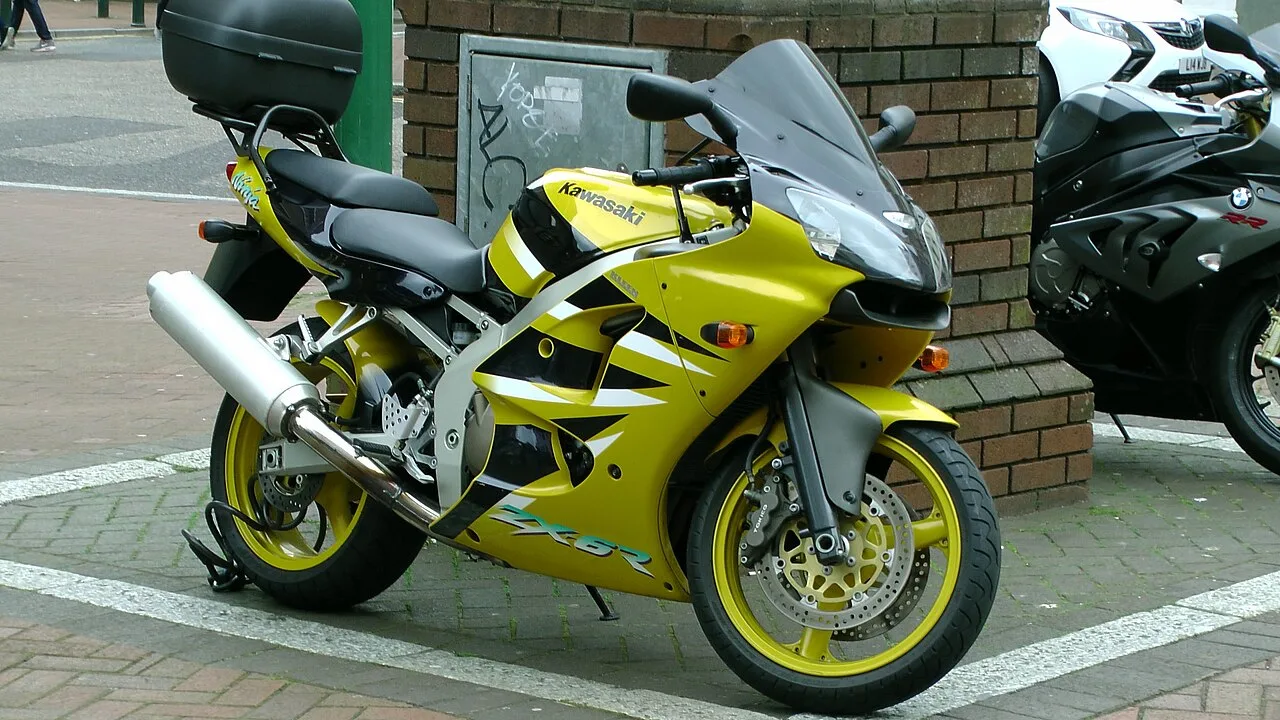
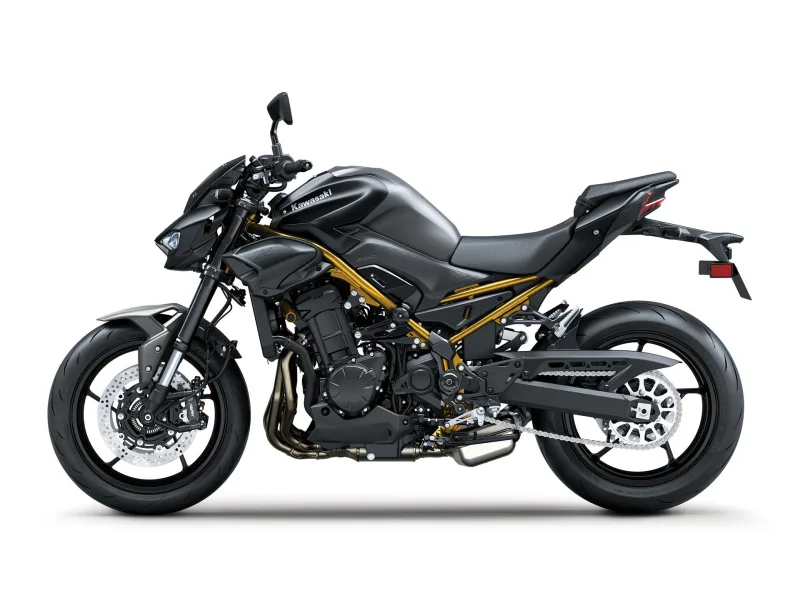
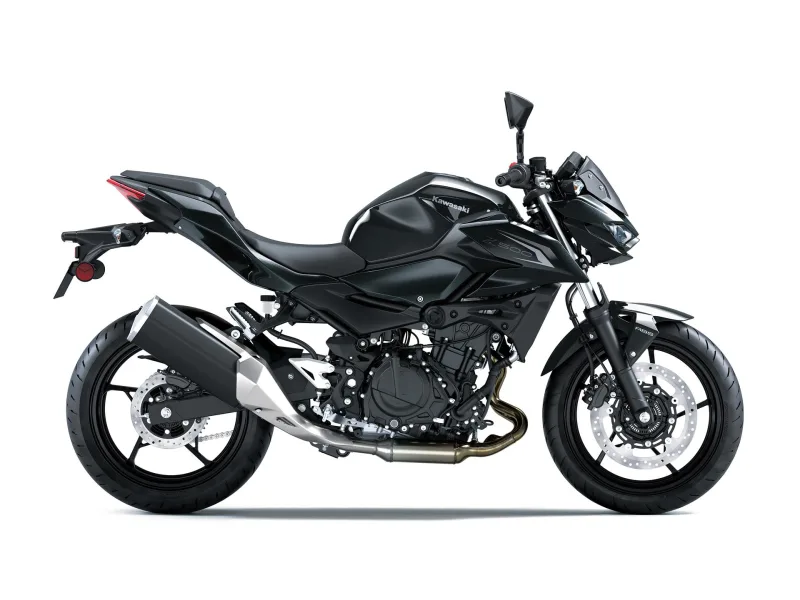
Symbolfoto (Modell 2025); das Design von 2010 kann abweichen.
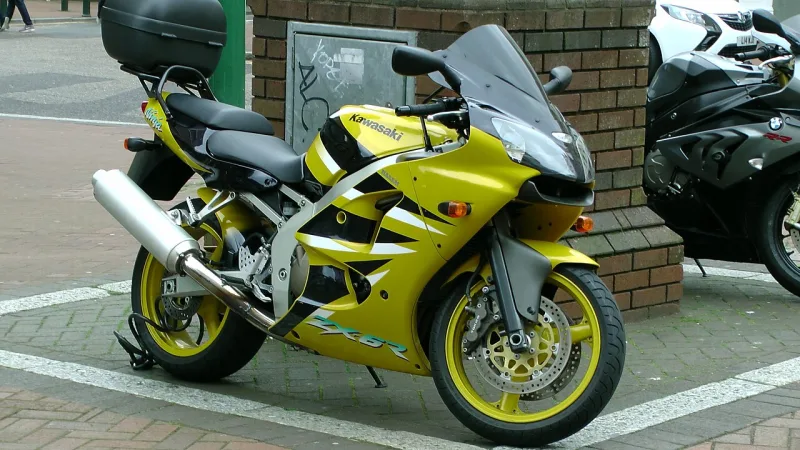
2010 Kawasaki Ninja ZX-6R



Allgemeine Merkmale
When it comes to performance, no class is more competitive than middleweight sportbikes. To stand out in this crowd, a motorcycle needs to do everything better than well — it needs to kick serious tail in every department. Hats off to the Kawasaki Ninja® ZX™-6R then, winner of 600cc comparison tests in just about every publication and website of note on the planet.
Kawasaki Ninja ZX-6R Verlauf
- Leistung 122.0 HP
- Hubraum 636 cc
- Sitzhöhe 830.0 mm
- Leistung 126.2 HP
- Hubraum 636 cc
- Sitzhöhe 830.0 mm
- Leistung 126.2 HP
- Hubraum 636 cc
- Sitzhöhe 830.0 mm
- Leistung 126.2 HP
- Hubraum 636 cc
- Sitzhöhe 830.0 mm
- Leistung 126.2 HP
- Hubraum 636 cc
- Sitzhöhe 830.0 mm
- Leistung 126.2 HP
- Hubraum 636 cc
- Sitzhöhe 830.0 mm
- Leistung 126.0 HP
- Hubraum 636 cc
- Sitzhöhe 830.0 mm
Kawasaki Ninja ZX-6R Historie & Generationen Quelle: Wikipedia
And has been constantly updated throughout the years in response to new products from Honda, Suzuki, and Yamaha. The ZX series is what was known as the Ninja line of Kawasaki motorcycles in the 1980s and still carries the name today. With very similar looks and features like the 1994 introduced ZX-9R, including the ram-air intake that had been developed by Kawasaki since the 1990 ZX-11 (ZZ-R1100). The first ZX-6R had a dry weight of 401.2 lb (182.0 kg), wet weight of 454 lb (206 kg), and was capable of accelerating 0 to 60 mph (…
With the Launch of the G series. The G series saw no increase in displacement but power went from 100 BHP to 108 BHP thanks to the newly designed airbox.
The first J series replaced the G, increasing power to 112 BHP by increasing the compression ratio from 11.8:1 to 12.8:1. The J series sported a couple of modernisations including a 180 section rear tire, second headlight, uprated generator and stick coils (coil on plug) replacing the traditional co…
There were a number of changes to the ZX-6R, or ZX636 as it is often referred. The engine was fuel injected and engine speed was raised around 500 RPM which resulted in a slight gain in power.
Kawasaki again revamped the ZX-6R. Engine speed increased again by 1,000 RPM resulting in 131 hp (98 kW) at 12,250 RPM.
And it displaced 599 cc. Previous years of the ZX-6R's engines were all built from the same basic design, but the all-new engine Was redesigned from the crankcase up. In following with what their competitors had already been doing, Kawasaki's new engine featured a stacked gear arrangement in which the crankshaft, primary drive and countershaft are placed in a triangular format for a shorter, more compact powerplant.
Kawasaki dramatically changed the appearance of the ZX-6R to match the more angular look of the ZX-10R. Kawasaki claims the new ZX-6R is 10 kg lighter than the previous model. Were the redesign of the exhaust, now carried low and not requiring the thick under-seat construction of 2008 and especially the introduction of the Showa Big Piston Fork (BPF) suspension for a more progressive brake-dive. The 2010 ZX-6R is changing once more with an improved engine and slipper clut…
Kawasaki reintroduced the ZX-6R 636, while still continuing to sell the regular, 599 cc 2009-2012 ZX-6R at a lower price. The 2013 ZX-6R 636 is a brand new bike, making it the model with the most power output to date.
Has some updates consisting of: Euro 4 compliance, KQS quickshifter (up only), updated bodywork and seat, LED headlights and updated dashboard. The claimed horsepower also sees a slight drop from the 2018 model's 96.4 kW (129.3 hp) to 94.9 kW (127.3 hp).
History text adapted from Wikipedia under CC BY-SA.


Kawasaki Ninja ZX-6R Technische Daten
Kawasaki Ninja ZX-6R Marktrichtwert
tsb_intro
tsb_try_note
tsb_ladder_note
tsb_source
Q&A
Nutzer-Fragen & Antworten (Forum) demnächst verfügbar.
Kommentare
Noch keine Kommentare. Sei der Erste!
Galerie
Wallpaper-Downloads (Desktop & Smartphone) demnächst verfügbar.